
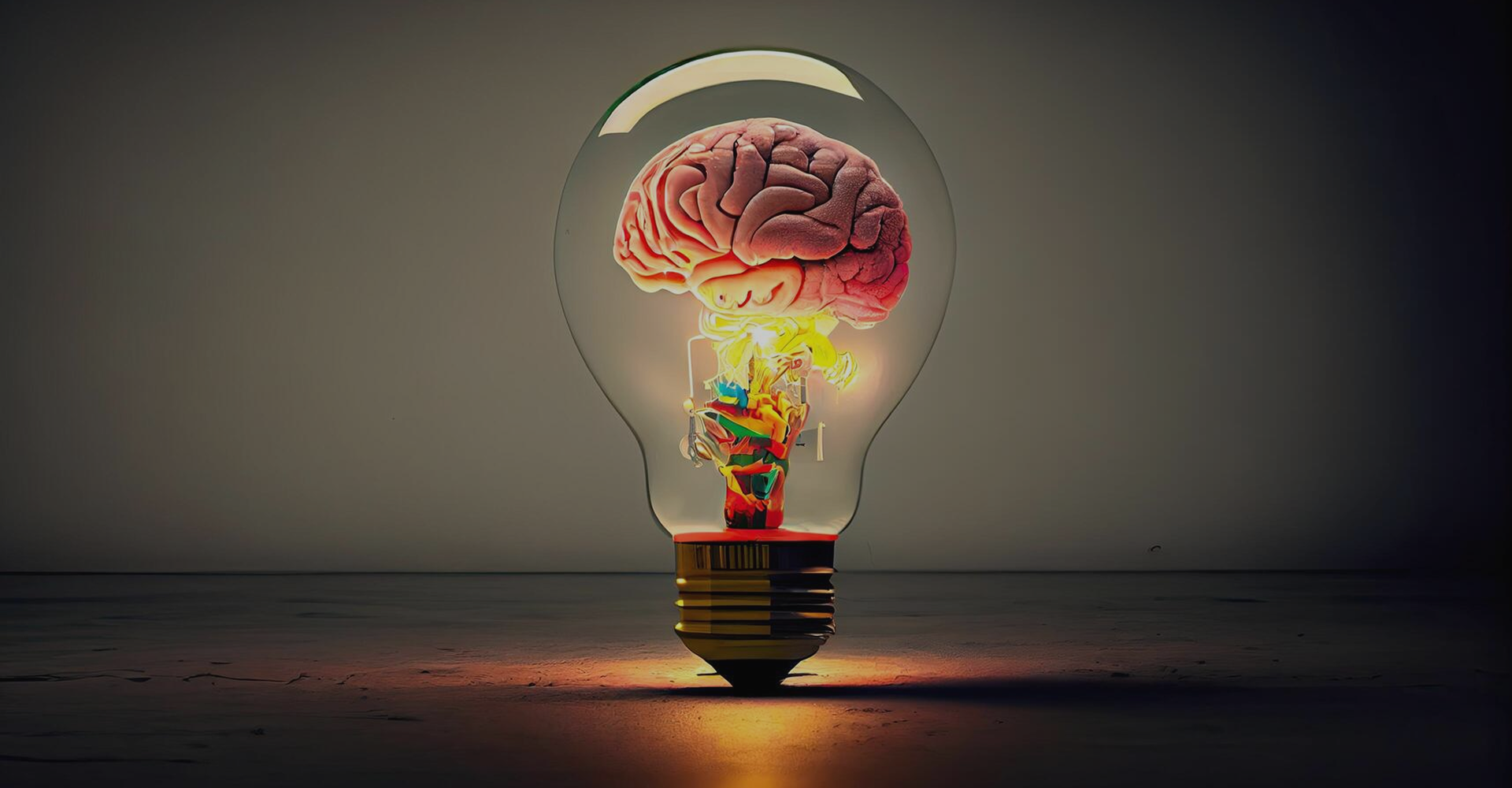
Emotional Triggers and Curiosity Gaps That Get Results
Triggered Emotions + Triggered Curiosity = Results
Let’s be real: people rarely read—they skim. They scroll, glance, and, in a single heartbeat, decide whether your words are worth their time.
So what separates your headline from the endless noise?
It’s the magic potion of copywriting. One great line, and your reader leans forward. One dull one, and they’re gone faster than your Wi-Fi during a thunderstorm.
Great headlines aren’t just clever—they’re psychological. They whisper, “You don’t have all the information yet… but you could.”
That whisper? That’s what marketers call an open loop.
What Exactly Is an Open Loop?
An open loop is an unfinished thought—a mental itch your brain needs to scratch.
Neuroscientist George Loewenstein coined the Information Gap Theory, which posits that when we become aware of a gap between what we know and what we want to know, we experience a powerful urge to fill it.
That’s why headlines like:
“What Successful Entrepreneurs Avoid”
“Why Most Content Misses the Mark (and How to Improve It)” “She Opened an Email—and Transformed Her Career”
…work so well. They create tension between curiosity and closure.
Your reader’s brain is practically shouting, “Finish the story!”
Step 1: Make Your Headline Emotional, Not Explanatory
Emotional headlines outperform factual ones every time. Compare these two:
Informational: “Five Productivity Tips for Professionals.” Emotional: “Tired of Feeling Behind Before the Day Even Starts?” The first line lists. The second line listens.
It stirs the gut, not just the mind. It says, “I get you.”
And that’s when curiosity takes over—your reader wonders, How will you fix this for me?
Lead with emotion. Save the explanation for later.
Step 2: The Power of the Incomplete Promise
Your reader’s brain craves completion—but your job is to withhold just enough.
That’s the art of the incomplete promise.
Examples:
“The Tiny Mistake That’s Costing You Big.”
“Read This Before You Write Your Next Post.”
“You’re Closer to Success Than You Think—Here’s Why.” Each one sets up a story, but stops short of the ending.
Important: the promise must deliver. Teasing without payoff is manipulation. Teasing with insight is mastery.
Your goal isn’t to trick readers—it’s to make them curious about something valuable.
Step 3: Use Specificity as a Trust Trigger
Vague headlines sound cheap. Specific headlines sound credible.
Instead of:
“How to Be a Better Leader.” Try:
“How a 2-Minute Morning Habit Makes You a Better Leader.” Specificity signals truth. It tells the reader, This is real.
It’s curiosity, carefully contained inside detail.
Step 4: Frame the Reader as the Hero
Humans are wired for relevance. We read what reflects us.
So shift the spotlight from your product to their story.
“Why Great Ideas Come in the Shower.”
“You’re Just 90 Seconds Away from a Smarter Email.”
“Why Your Brain Prefers Procrastination (and How to Outsmart It).” Notice the pattern? The central figure is always you.
When readers see themselves in your words, they stay because curiosity becomes personal.
Step 5: Play with Rhythm, Rhyme, and Contrast
Headlines are music for the mind. When rhythm clicks, curiosity flows.
“Think Big by Starting Small.”
“Listen More. Talk Less.”
“Beautiful Writing. Explosive Results.”
Contrast surprises the brain, and surprise releases dopamine, that lovely “tell me more” chemical.
Read your headline out loud. If it clunks, fix it. If it flows, it’ll glide through someone’s feed just as smoothly.
Step 6: The Emotional Triggers That Work Every Time
Certain emotions light up specific areas of the brain more than others. Use them wisely:
- Curiosity: “What Nobody Told You About This…”
- Overthinking: “Are You Making This Common Mistake?”
- Pride: “Smart Business Owners Do This Before Breakfast.”
- Hope: “Yes, You Can Start Over (Here’s How).”
- Belonging: “Join 10,000 Writers Who Found Their Voice.”
The best headlines strike a balance between curiosity and care. They never shame or mock. You’re not exploiting fear—you’re awakening interest.
Step 7: Test, Track, and Tweak
Even the best headline writers don’t nail it the first time. They test.
Write ten versions. Yes, ten. The first few will be predictable. The last few? That’s where the magic hides.
Check your metrics to see what’s working, but don’t stop at numbers. Ask why.
Analytics reveal who clicked. Empathy reveals why they stayed.
Final Thoughts: The Ethics of Curiosity
Curiosity is powerful—and sacred. Use it wisely.
An open loop should invite, not manipulate. Readers should feel rewarded, not tricked.
In the end, a great headline doesn’t just get attention—it earns it.
So write with wonder. Tease with purpose. Deliver with honesty.
Because when curiosity meets integrity, your words don’t just catch readers— They keep them.
Sources
- Loewenstein, G. (1994). The Psychology of Curiosity: A Review and Reinterpretation. Psychological Bulletin.
- Cialdini, R. (1984). Influence: The Psychology of Persuasion. Harper Business.
- Heath, C. & Heath, D. (2007). Made to Stick: Why Some Ideas Survive and Others Die. Random House.
- Kahneman, D. (2011). Thinking, Fast and Slow. Farrar, Straus and Giroux.

